


The investment industry is seeing a massive shift in capital flows as investors explore the upgraded services that traditional brokers offer. The last 15 years have seen the digital asset market attract significant inflows, but traditional brokers now offer regulated, secure, and easy-to-use access to crypto markets. This is attracting investors who demand familiar, compliant investment structures.
The growing trend of capital inflows to traditional brokers
Over the years, investors have consistently allocated capital to markets where structure, risk, regulations, and access provide them with assurance.
According to IG Group’s 2025 financial report, active customers increased by 174% to over 742,000. The Group said that their multi-asset platform was a major factor, as it captured high traders moving from niche exchanges to established providers. The report noted a high organic engagement in new asset classes, as investors sought regulated wrappers rather than unregulated retail exchanges.
Brokers such as Oanda are also moving beyond simple “buy/sell” buttons to offer futures, options, spread betting, and other derivatives. This attracts a diverse set of investors who can find the assets they prefer from a single broker.
This aligns with the Financial Conduct Authority’s (FCA) research on crypto asset consumption. In the report, the FCA noted that 8% of the UK population now use cryptoassets, and that there is a statistically “significant” move towards “regulated cryptoasset activities.”
Capital flows are also supported by the increased revenue and deposits reported by various brokers for 2025. Plus500 reported revenue crossing $100 million for the first time, marking a record high, just as the average deposit per customer surged by 124%.
Why is this happening?
There are five factors driving investors’ decisions to move funds to traditional platforms. These are:
Institutional preference
This is the primary driver of capital inflows to traditional brokers. Institutional investors are increasingly adopting regulated investment vehicles, such as exchange-traded funds (ETFs), including Spot Bitcoin and Ethereum ETFs. These offer a familiar, low-friction exposure to crypto without managing keys.
Traditional brokers are also capitalizing on this; they are expanding beyond just Bitcoin, offering a wider range of crypto ETFs and exchange-traded products (ETPs), including diversified and leveraged options.
Regulatory clarity and security are other reasons for the capital inflows into traditional brokers. Investors now have better safeguards for digital assets under traditional platforms. The financial ombudsman mediates disputes for traditional and digital assets alike, for large and small investors.
The resulting lower counterparty risks prompt institutional traders to take capital away from third-party crypto providers toward bank-led custody and broker-dealer services to reduce the risk of exchange failure.
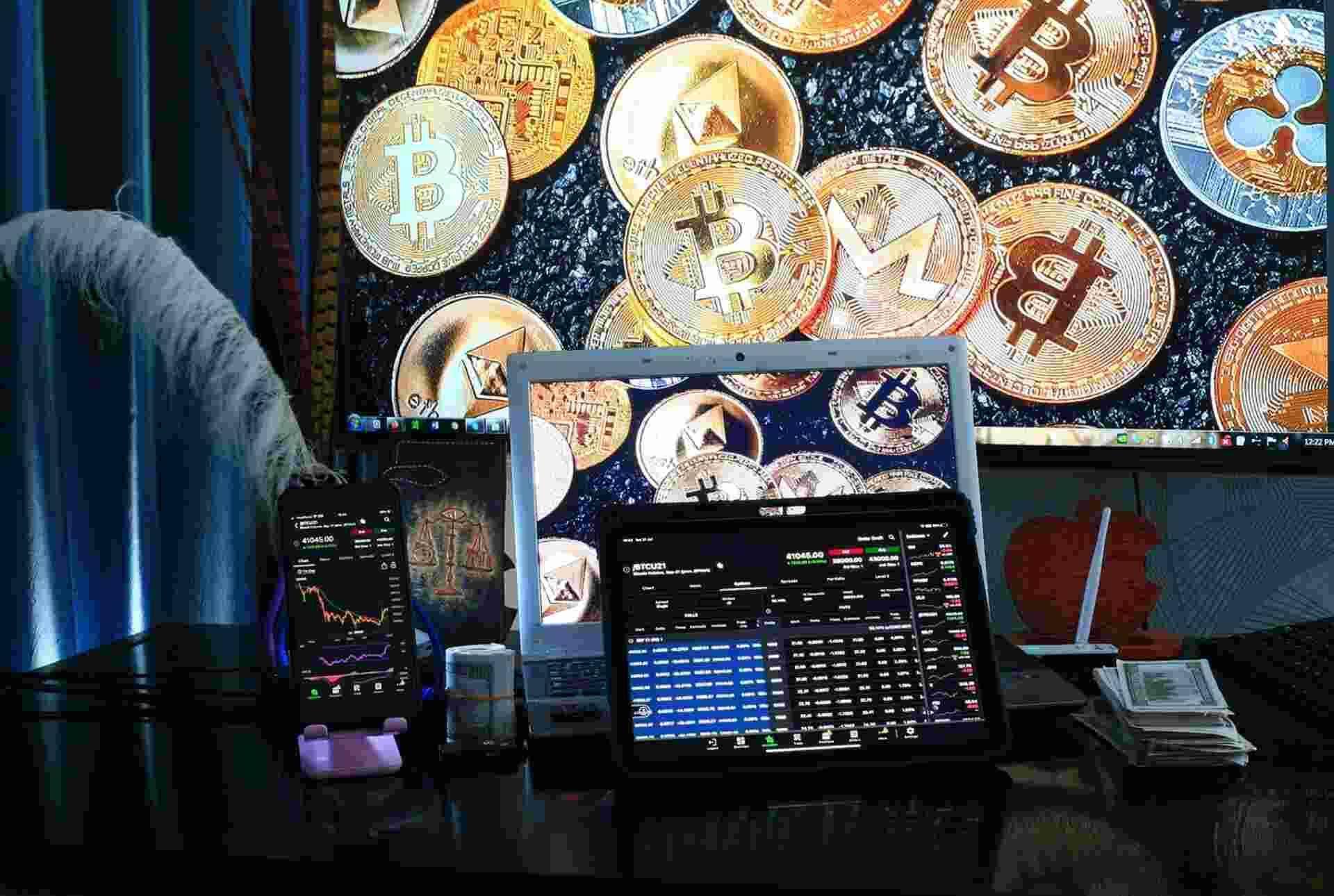
Integration of digital and traditional portfolio management
Investors want to diversify across multiple markets and assets, but they want to do so conveniently without switching between platforms. The solution? Single consolidated accounts. Single consolidated accounts are defining how investors access markets in 2026.
Major brokerages, e.g., Interactive Brokers, offer high-performance, low-cost trading, enabling investors to move seamlessly between assets. This unified management means that traders can manage stocks, ETFs, and crypto from a single dashboard. The ease and seamless trading allow more traditional investors to explore digital assets within platforms that they are comfortable with.
Bank of America and Merrill Lynch, for example, now include digital assets in their standard advisory models. They often recommend 1%-4% allocation. Retirement accounts in the UK and US are also increasingly embedding crypto via spot ETFs, making inflows persistent and time-dependent, rather than speculative.
Improved infrastructure
Technology is a huge factor in the trading industry. Investors prefer brokers that can fill their orders at the desired price, and that means speed and reliability. Traditional brokers are embracing market-leading technology and are competing with modern digital brokers for speed, security, and reliability.
With solid infrastructure backing their services, brokers can attract capital, and that is why more traditional investors are moving funds back to the names they trust. A good example is OANDA, which extended its ecosystem with FTMO, and the London Stock Exchange Group (LSEG), which launched its Digital Market Infrastructure (DMI) platform in 2025.
Adoption of new trading instruments
In addition, traditional brokers are adopting new trading instruments, such as tokenized real-world assets (tRWA), which bridge traditional finance (TradFi) and decentralized finance (DeFi). This allows modern and traditional investors to explore their favorite assets. Investors can trade tRWAs like Treasury bills and gold, providing 24/7 liquidity that was previously absent from traditional markets.
Geopolitical situations

The global markets have been uncertain for most of 2026 as investors adjust to high energy prices and steep logistics challenges. These have influenced the digital asset community to seek safe havens in traditional assets like gold and currencies like the Canadian dollar and the Euro, which have weathered the storm.
Although more institutional investors plan to expand their digital asset exposure, they are cautious and prefer limited exposure through ETFs. Institutional focus is pivoting to include Ethereum, Solana, and tRWAs amidst market uncertainty.
Will the trend continue?
The trend will likely continue in 2026, given investors’ increased exposure to digital assets in safe, regulated environments. Although the digital asset market still attracts investors due to its high volatility, institutional investors prioritizing stability will continue to move capital into traditional brokers until they find more rewarding options. The current inflow is also supported by policy changes in the U.S., e.g., automatic enrollment in retirement funds, which create a persistent and programmatic demand.







No Comment! Be the first one.