
Key Takeaways:
- Chainalysis sees Iran’s crypto toll as a breakthrough for state blockchain adoption.
- The Strait of Hormuz moves about 20% of global oil, signaling crypto’s rising influence over global trade infrastructure.
- Stablecoins likely dominate Iran flows, reflecting broader trends in sanctioned trade systems.
Iran Crypto Toll Signals Shift in Global Trade Enforcement Power
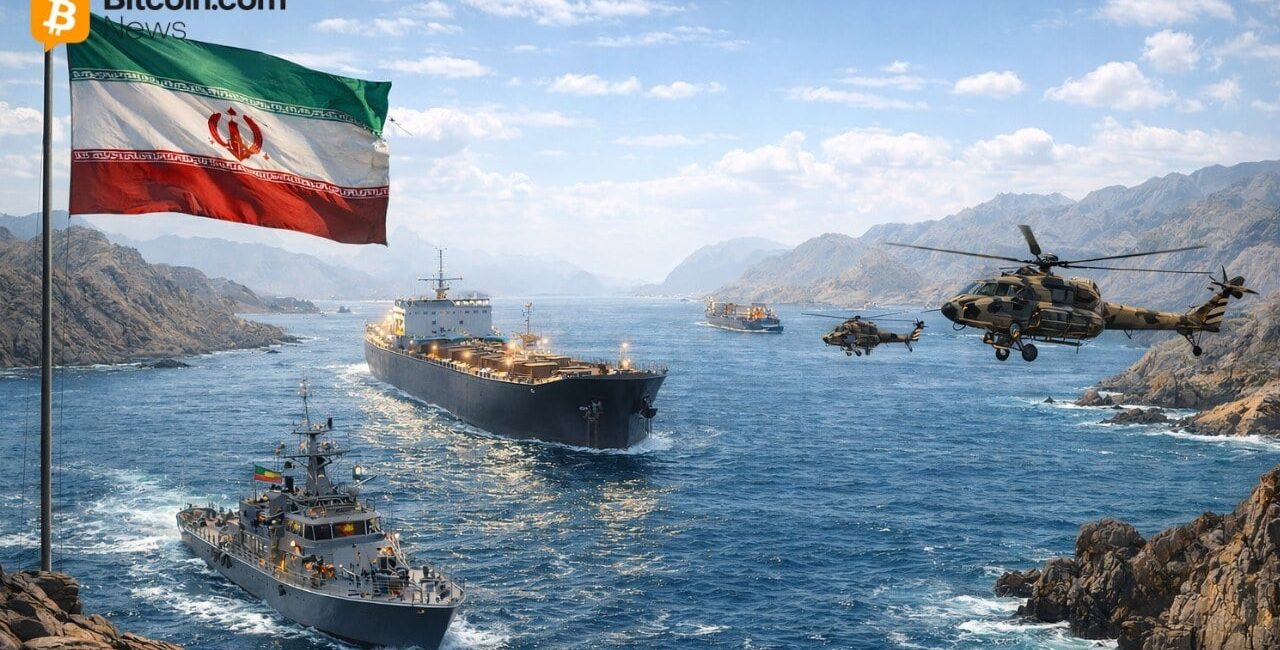
A state-backed crypto toll on one of the world’s busiest oil chokepoints could mark a turning point for digital assets in geopolitics, as Iran expands blockchain usage into maritime trade enforcement. Iran’s Islamic Revolutionary Guard Corps (IRGC) is reportedly extracting transit fees in cryptocurrency from vessels in the Strait of Hormuz. Blockchain analytics firm Chainalysis examined the development in an April 10 report, highlighting rising compliance risks and crypto’s expanding role in sanctioned economies.
Bloomberg and the Financial Times outlined a structured system tied to oil shipments and vessel disclosures. Ship operators must submit ownership and cargo data before negotiating fees starting near $1 per barrel, payable in yuan or digital assets. The report noted that vessels would be “given a few seconds to pay in bitcoin, ensuring they can’t be traced or confiscated due to sanctions,” highlighting Iran’s attempt to leverage blockchain properties for sanctions resistance.
From a market structure perspective, the model could redefine how states monetize control over strategic trade routes. The Strait of Hormuz facilitates roughly 20% of global oil flows, amplifying the economic implications. Noting that this dynamic positions crypto as both a financial tool and a geopolitical instrument, Chainalysis emphasized:
“If implemented, this would mark a significant milestone: the first known instance of a nation-state demanding cryptocurrency as payment for transit through an international waterway.”
Stablecoins Poised to Dominate Iran Crypto Sanctions Strategy
Chainalysis highlighted that the approach aligns with Iran’s established blockchain usage patterns. Chainalysis stated: “While the concept may sound novel, it falls squarely in line with the Iranian regime’s well-documented and rapidly expanding use of cryptocurrency — specifically stablecoins — to facilitate trade in weapons, oil, and commodities at scale.” This reinforces expectations that stablecoins may dominate due to liquidity and reduced volatility compared to bitcoin.
The analytics firm further examined asset preferences within the system, noting divergence between stated and likely implementation choices. Reflecting broader trends in Iran’s crypto ecosystem, where stablecoins underpin high- volume transactions, it added:
“While the statement specifically references bitcoin, we suspect Iran could prioritize stablecoins over BTC for these tariffs, consistent with the heavy historical reliance on stablecoins by the regime and its regional proxies to engage in illicit trade and sanctions evasion at scale.”
For global shipping firms, the compliance burden remains severe under existing sanctions frameworks enforced by the U.S. Treasury and international partners. Engaging with IRGC-linked wallets could trigger enforcement actions regardless of payment medium. Chainalysis concluded: “As Iran continues to integrate cryptocurrency into its state financial operations — from oil sales and proxy financing to maritime transit tolls — blockchain analytics is essential for maintaining visibility into these flows and enabling the global community to mitigate risk and generate actionable leads.”

Other Articles




No Comment! Be the first one.