

Key Takeaways:
- Australia’s OIA projects ad restrictions will cut gambling spending by AUD 62.7M, or 0.8 percent
- A full ban the government rejected would have reduced losses by 1.4 percent per year
- New Zealand’s DIA says it will monitor Australia’s reforms before pursuing similar restrictions
A Sweeping Package That May Not Satisfy Any Stakeholder
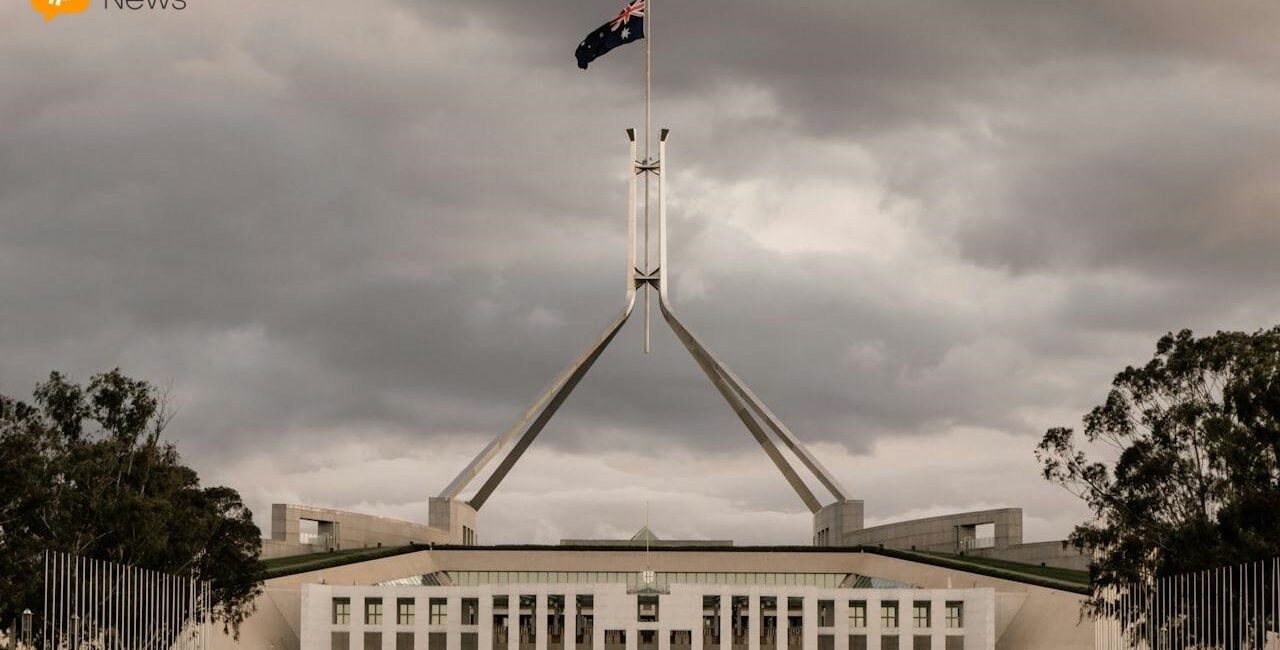
The Office of Impact Analysis published its 48-page assessment on April 7, nearly three years after a parliamentary inquiry led by the late Labor MP Peta Murphy recommended a comprehensive ban on online gambling advertising. Prime Minister Anthony Albanese unveiled the government’s alternative – a partial package of restrictions – at the National Press Club on April 2. The measures are set to take effect January 1, 2027.
The OIA report found the government’s preferred option would lower annual gambling expenditure by AUD 62.7 million ($44.3 million), or 0.8 percent of the AUD 32.2 billion Australians lost on legal gambling in 2023-24. A full ban, as Murphy’s committee recommended, would have reduced spending by another 0.6 percent. The OIA acknowledged the full ban carried “a higher net benefit” but said it would impose a heavy financial burden on media organizations and grassroots sport.
Under the new rules, television gambling advertisements will be capped at three per hour between 6 a.m. and 8:30 p.m. and banned entirely during live sports broadcasts in this window. Radio ads will also be prohibited during school drop-off and pick-up periods. Celebrities, athletes and public figures will be barred from appearing in wagering promotions, and gambling branding will be removed from sports venues and player uniforms.
The reforms also introduce a “triple-lock” system for online platforms: gambling ads will be banned by default unless the user is logged in, verified as over 18 and given the option to opt out. The OIA confirmed to Guardian Australia that this rule extends to streaming services, podcasts, social media, app stores and the official websites and apps of the AFL and NRL.
The analysis identified 2,461 industry stakeholders affected across wagering operators, broadcasters, digital platforms and podcasters, with an estimated regulatory cost of AUD 10 million per year — roughly a sixth of the expected reduction in gambling expenditure.
Reaction has been polarized. Responsible Wagering Australia CEO Kai Cantwell described the announcement as “a real kick in the guts for the industry” and warned that the measures set “a dangerous precedent.” On the other end of the spectrum, the Alliance for Gambling Reform’s chief advocate, Tim Costello, called it a “timid response,” arguing the opt-out model places the burden on parents rather than companies.
The Australian Medical Association’s vice president, Julian Rait, said partial bans are insufficient. Independent MP Kate Chaney characterized the package as “tinkering around the edges of meaningful reform.”
In the end, the proposed changes may leave all parties unsatisfied.
The Australian debate is being closely tracked in New Zealand, which shares a deeply intertwined sports broadcasting market and faces its own parliamentary showdown regarding gambling regulation. New Zealand’s Department of Internal Affairs told the NZ Herald on April 8 that it is monitoring Australia’s approach but does not plan to adopt similar advertising restrictions immediately.
The department’s priority remains the Online Casino Gambling Bill, expected to pass in May 2026, which would bring the country’s currently unregulated online casino market under local oversight through a licensing system capped at 15 operators. A DIA spokesperson said the Minister for Racing intends to observe how Australia’s system performs before considering further regulation in the harm minimization area.
New Zealand’s Advertising Standards Authority processed 955 gambling-related complaints in 2025 and is reviewing its code of conduct later this year.
The OIA report drew on prevalence data from the Australian Gambling Research Centre, which found the proportion of Australians at risk of gambling harm rose from 11 percent in 2019 to 15 percent in 2024. Wagering losses have grown from AUD 3 billion (16 percent of total gambling losses) in 2010-11 to AUD 8.4 billion (26 percent) in 2023-24. The social cost of gambling in Victoria alone was estimated at AUD 14.1 billion the year prior.
PM Albanese’s legislation is expected to be introduced to parliament in May.

Other Articles






No Comment! Be the first one.