

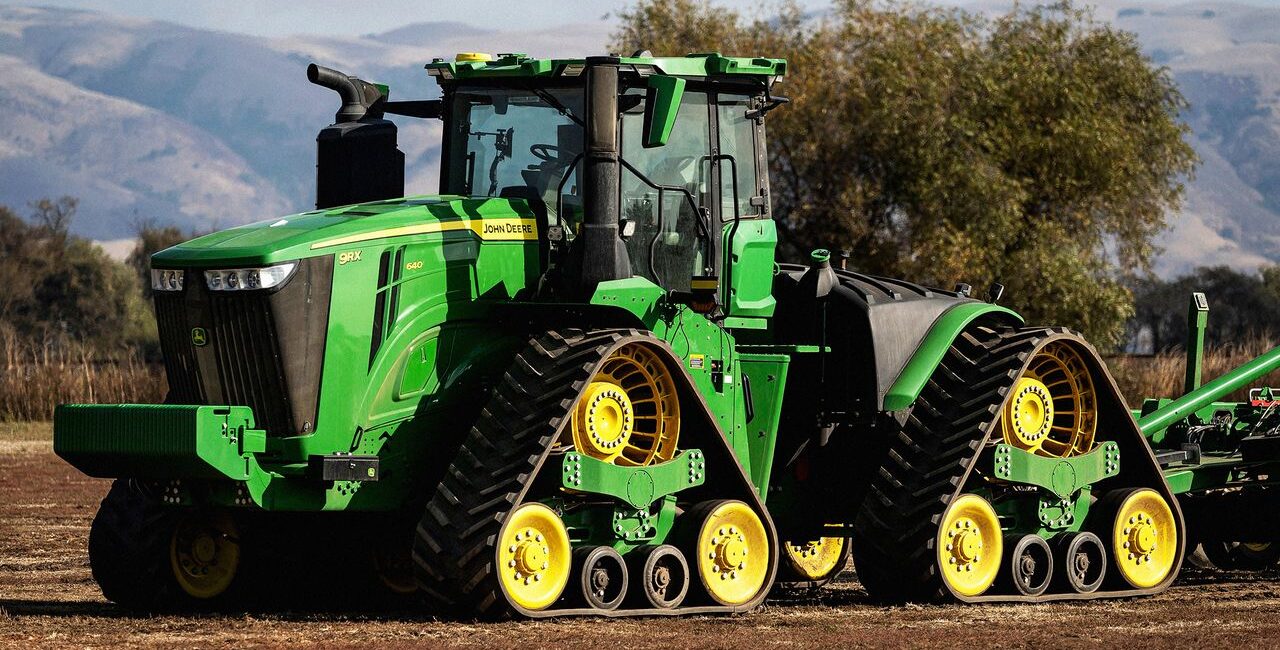
Iowa lawmakers voted to advance state House bill 751 last week, legislation that would ensure farmers in the state can freely repair their own agricultural equipment, like tractors. This Tuesday, the bill was renamed to House File 2709, and it will be voted on again. Should the political winds align, it will go through the Iowa House and Senate before the Iowa Legislature adjourns on April 21.
The bill is the first of nearly 57 state bills supported by repair advocates across the country in 2026. Many of them focus on farm equipment in states like Oklahoma, Wyoming, Delaware, and West Virginia. Repair advocates hope a win in Iowa—the second-highest-grossing state in the US for agricultural products, behind California—will help further legislative and broader efforts to make phones, cars, and other devices more repairable.
“This isn’t just a blue state thing; this isn’t just a Colorado activist thing,” says Elizabeth Chamberlain, director of sustainability for the right-to-repair advocate arm of iFixit. “Its real. Farmers have trouble repairing their equipment and want change.”
Farmers and their tractors have long been a focal point of the right-to-repair movement, the ever-growing global effort to let product owners fix their own devices and equipment without manufacturer approval. Farmers who use tractors to plant, cultivate, and harvest crops often need to repair their equipment while they work. Waiting for manufacturer approval to get something fixed, or taking the time to bring the equipment to an approved dealership, can cause delays, frustration, and missed opportunities to harvest crops.
The Iowa bill defines which agricultural equipment it covers, including tractors, trailers, combines, sprayers, balers, and other equipment used to cultivate and harvest crops. It excludes aircraft and irrigation equipment, along with jet skis and snowmobiles.
Manufacturers would also be required to provide owners with data—documentation, like manuals, and access to embedded operating software—on their tractors, including future patches and fixes, all without charging for it or requiring authorization for internet access. The bill also limits the use of digital locks—software restrictions that prevent accessing features without manufacturer approval.
Oh Deere
The most prominent opposition to the Iowa bill is tractor manufacturer John Deere, which has a long history of opposing repair efforts and frustrating farmers who want to take more control of their equipment. The company is still fighting a lawsuit the US Federal Trade Commission levied against John Deere in January 2025 for “unlawful” repairability policies. The company has lobbied against the Iowa bill and outright opposes its passing.
“John Deere is steadfast in supporting farmers’ ability to repair their equipment,” wrote a John Deere representative in a statement responding to WIRED’s inquiry. “And we back that up by offering industry-leading self-repair tools and resources to both equipment owners and alternative service providers.”
John Deere points to its online repair hub that catalogs ways its product owners can repair their products. Chamberlain says it is true that John Deere offers self-repair options, but they are not always in line with the reality of what farmers need to make fixes in the moment.
“Ultimately, it doesn’t matter if the vast majority of repairs are possible if there’s a repair that takes your equipment down and that means loss of harvest or having to wait weeks for a dealer representative to come out,” Chamberlain says.
John Deere has said it supports third-party and self-repair of its equipment before. In 2023, John Deere and the American Farm Bureau agreed to a memorandum of understanding about how the company would allow access to repairs on its products in response to repair laws passing in states like Colorado. But repair advocates criticized the move, saying the memorandum did little to make John Deere adhere to new regulations.

Other Articles

Telegram Ban is “Last Resort” — DICT, CICC




No Comment! Be the first one.